Room by Room: The Hidden Household Dangers That Could Poison Your Pet Tonight
Most pet owners know the basics — keep chocolate away from dogs, don't let cats nibble on lilies. But the truth is, the average American home is stocked with far more pet hazards than those two classics. From the spice cabinet to the garage shelf, toxins that seem completely harmless to us can be life-threatening to our four-legged family members.
We put this guide together so you can do a real walkthrough of your space and actually do something about the risks hiding in plain sight.
The Kitchen: More Dangerous Than You'd Think
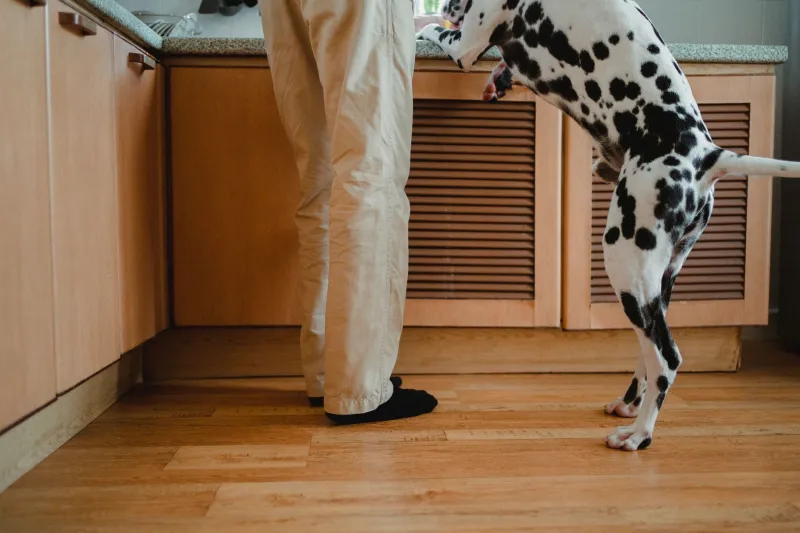
The kitchen is probably the room where your pet spends the most time begging for scraps — and unfortunately, it's also one of the most hazardous zones in your home.
Foods that are genuinely toxic (not just unhealthy):
- Xylitol — This artificial sweetener shows up in sugar-free peanut butter, gum, some yogurts, and even certain medications. In dogs, it triggers a dangerous drop in blood sugar and can cause liver failure. Even small amounts are serious.
- Grapes and raisins — Still not fully understood by researchers, but both can cause acute kidney failure in dogs. Trail mix left on the counter is a real risk.
- Onions and garlic — In any form (raw, cooked, powdered), these damage red blood cells in both dogs and cats. Garlic powder is especially concentrated and dangerous.
- Macadamia nuts — Cause weakness, vomiting, tremors, and fever in dogs.
- Alcohol — Even small amounts of beer, wine, or liquor can cause serious problems. Don't forget about rum-soaked desserts or unbaked bread dough containing active yeast, which produces alcohol as it ferments in the stomach.
What to secure: Keep trash cans in a locked cabinet or use a latch-style lid. Store baking supplies (especially anything containing xylitol) on high shelves. Never leave fruit bowls containing grapes or raisins within reach.
The Bathroom: A Chemical Cabinet Your Pet Can Reach
Bathrooms are small, often unsecured, and packed with concentrated chemicals. Pets — especially curious cats — frequently find their way in.
Top offenders:
- Human medications — This is the big one. Acetaminophen (Tylenol) is extremely toxic to cats and dangerous to dogs. Ibuprofen and naproxen (Advil, Aleve) can cause stomach ulcers and kidney failure in both species. Antidepressants, sleep aids, and ADHD medications are also common culprits in pet poisoning cases reported to the ASPCA Animal Poison Control Center.
- Toilet bowl cleaners — Highly caustic. If your pet drinks from the bowl after a cleaning tablet has been used, you've got a problem.
- Essential oil diffusers — Tea tree oil, eucalyptus, and pennyroyal are particularly toxic to cats, whose livers can't metabolize certain compounds the way humans can.
- Mouthwash — Many brands contain xylitol or high concentrations of alcohol.
What to secure: Install child-proof locks on bathroom cabinets. Keep the toilet lid down. Never leave pill bottles on the counter — always return them to a closed cabinet immediately.
The Living Room and Bedroom: Sneaky Risks
These feel like low-risk zones, but they're where some of the most easily overlooked hazards live.
Plants: Common houseplants that are toxic include pothos, philodendron, sago palm (one of the most deadly — even a few seeds can cause liver failure), peace lily, and dieffenbachia. The ASPCA maintains a full toxic plant database at aspca.org that's worth bookmarking.
Potpourri and liquid air fresheners: Liquid potpourri is particularly dangerous for cats — skin contact alone can cause chemical burns.
Batteries: If chewed, they can cause chemical burns to the mouth and GI tract.
Pennies minted after 1982: These contain zinc, which causes hemolytic anemia in dogs. If your dog swallows loose change, that's a vet call.
Nicotine products: Cigarettes, nicotine patches, and especially nicotine gum (which may contain xylitol) are highly toxic.
The Garage and Laundry Room: The Most Dangerous Zones
If you had to pick one room to completely pet-proof, it's the garage.
- Antifreeze (ethylene glycol): Has a sweet taste that dogs and cats are attracted to. Even a teaspoon can be fatal to a cat. This is a true emergency — time matters enormously.
- Rodenticides (rat poison): These come in different formulations, some of which cause internal bleeding, others that cause seizures or kidney failure. The effects can be delayed by days, which makes owners think their pet is fine when they're not.
- Insecticides and lawn chemicals: Many common yard products are toxic if ingested or absorbed through the paws. Keep pets off treated lawns for the manufacturer's recommended time — and then some.
- Laundry pods: Extremely concentrated. Dogs that chew these can experience vomiting, respiratory distress, and loss of consciousness.
- De-icing salts: Common in winter across much of the US. Can cause GI upset if licked off paws, and some formulations are more toxic than others.
What to secure: Store all chemicals in locked cabinets. Clean up any antifreeze spills immediately and thoroughly. Consider switching to pet-safer antifreeze brands that use propylene glycol instead of ethylene glycol.
What to Do If You Think Your Pet Has Been Poisoned
First — don't panic, but don't wait. Time is a major factor with most toxins.
Step 1: Remove your pet from the source of the toxin if it's safe to do so.
Step 2: Call one of these resources immediately:
- ASPCA Animal Poison Control Center: (888) 426-4435 (available 24/7; consultation fee may apply)
- Pet Poison Helpline: (855) 764-7661 (also 24/7)
- Your vet or nearest emergency animal hospital
Step 3: Have this information ready — what the substance was, how much you think was ingested, your pet's weight, and when it happened.
Do NOT induce vomiting unless specifically instructed by a professional. For some toxins (like caustic chemicals), vomiting causes additional damage.
Step 4: If your vet recommends it, bring the packaging of whatever your pet got into. This helps them identify the exact formulation.
Building a Safer Home, One Room at a Time
You don't have to overhaul everything at once. Start with the highest-risk areas — the garage and the bathroom medicine cabinet — and work your way through the house over a few weekends. A simple combination of cabinet locks, elevated storage, and knowing which plants to remove can dramatically reduce your pet's exposure to serious hazards.
The goal isn't a sterile, joyless home. It's a home where your pet can roam freely without you holding your breath every time they sniff something new.