Microchipping Your Pet Is Not a Magic Bullet — Here's What Actually Saves Lost Animals
Let's be honest about something: when most people get their pet microchipped, they walk out of the vet's office feeling like they've done everything they need to do. The chip is in, the pet is protected, job done.
Except that's not really how it works.
Microchipping is genuinely one of the most important things you can do for a lost dog or cat — studies have shown that microchipped dogs are returned to their owners at more than twice the rate of unchipped dogs. But the technology has real limitations that the pet industry doesn't always do a great job of explaining. And those gaps? They're costing reunions.
Here's the full picture.
What a Microchip Actually Does (And Doesn't Do)
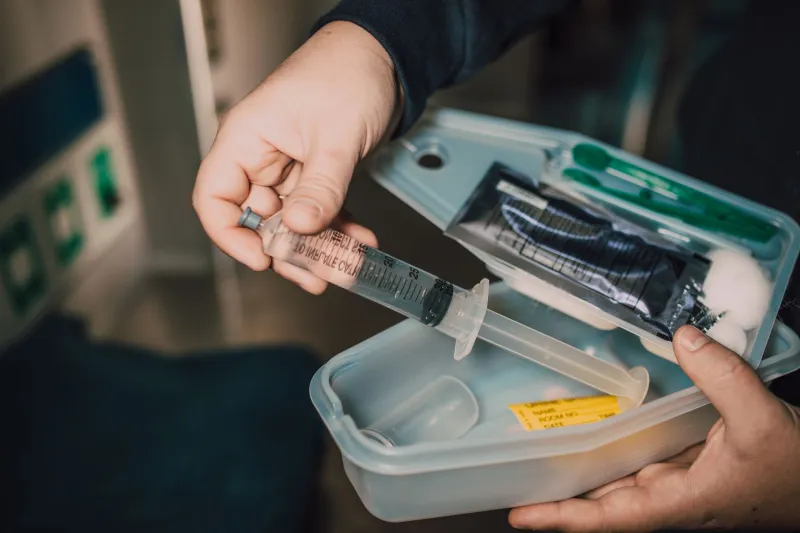
A pet microchip is a passive radio-frequency identification (RFID) device — roughly the size of a grain of rice — injected under your pet's skin, typically between the shoulder blades. It has no battery, no GPS, and no active tracking capability whatsoever.
Let's repeat that last part: a microchip cannot tell you where your pet is.
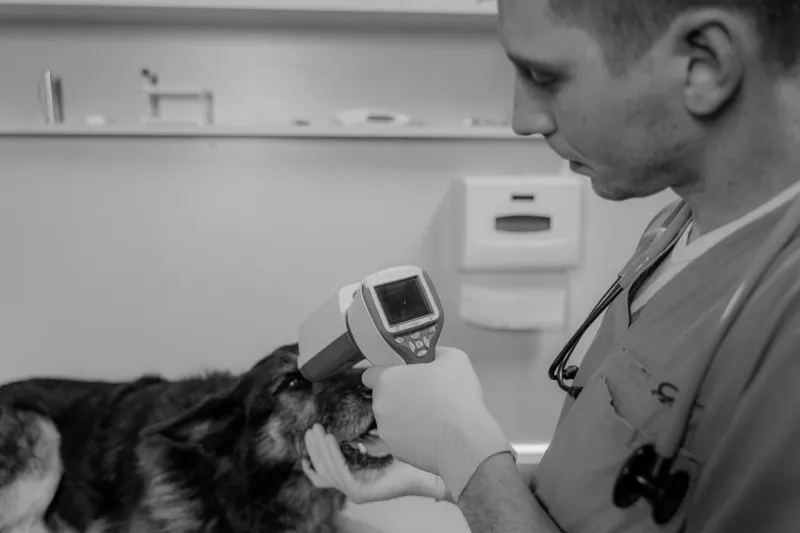
When a lost pet is brought to a shelter or vet clinic, staff use a handheld scanner to read the chip's unique ID number. That number is then looked up in one or more databases to find the registered owner's contact information. If the owner is listed with current contact details, they get a call. That's the whole system.
So the chip itself is just a number. The reunion happens because of what's attached to that number in a database.
The Database Problem Nobody Talks About
This is where things get frustrating. Unlike countries such as the UK or Australia, the United States does not have a single, unified national pet microchip registry. Instead, there are multiple competing databases — including HomeAgain, AKC Reunite, Found Animals' Microchip Registry, PetLink, and others — and they don't all talk to each other automatically.
When a shelter scans a chip, staff typically check one or two databases. If your pet's chip is registered with a different registry than the one being searched, the lookup comes up empty — even though the chip is working perfectly.
There are lookup tools like PetMicrochipLookup.org (operated by the American Animal Hospital Association) that search multiple databases simultaneously, and many shelters do use these. But the system still depends on staff knowing to use them, and on your information actually being in at least one of those databases.
Here's the kicker: studies have estimated that a significant percentage of microchipped pets — some researchers put it as high as one-third — are never actually registered in any database after the chip is implanted. The chip goes in, the owner assumes it's all handled, and the number floats in a void.
Common Microchip Brands and What You Should Know
Several manufacturers dominate the US market. HomeAgain, AKC Reunite, and 24PetWatch are among the most widely used, each operating their own registry. Datamars and Bayer (now Elanco) chips are also common.
The chips themselves use one of a few radio frequencies — 125 kHz, 128 kHz, or 134.2 kHz (the international ISO standard). Most modern universal scanners can read all three, but older equipment may miss non-ISO chips. This is less of a problem than it used to be, but it's worth knowing that scanner compatibility isn't guaranteed at every facility.
What you should do after chipping:
- Ask your vet which registry they submitted your information to.
- Go directly to that registry's website and confirm your account and contact details are complete.
- Also register your chip number with Found Animals' free registry (foundanimals.org) as a backup — it's free and widely searched.
- Update your information every time you move, change your phone number, or change your email.
The Collar Tag: Still Non-Negotiable
Here's an opinion that some in the pet tech space might push back on: a simple ID tag on a collar is still more immediately effective than a microchip for most lost-pet scenarios.
Why? Because the average person who finds a lost dog or cat is not a shelter worker with a scanner. They're a neighbor, a kid, someone who spotted your dog running down the street. They can read a tag. They cannot read a chip.
A collar with a current phone number gets your pet home faster in the most common lost-pet scenario. A microchip is the backup that works when the collar comes off, when the finder brings the pet to a shelter, or when the pet isn't found for weeks.
You need both. Full stop.
GPS Trackers: The Tool That Actually Tracks
If real-time location is what you're after, that's the job of a GPS pet tracker — a device like the Tractive GPS, Fi Series collar, or Whistle GO that attaches to your pet's collar and sends location data to your phone via cellular network.
These are genuinely useful tools, especially for dogs that are escape artists or for owners in rural areas. They come with subscription fees and battery limitations, but they do what microchips cannot: tell you where your pet is right now.
Think of it this way:
- ID tag = first line of defense, works for everyday lost-pet situations
- Microchip = permanent, tamper-proof backup ID that can't fall off
- GPS tracker = active location tool for high-risk situations
All three serve different functions. The mistake is treating any one of them as a complete solution.
So Is Microchipping Worth It?
Absolutely — yes. The data supports it. Microchipped cats are returned to their owners at more than 20 times the rate of unchipped cats, according to research published in the Journal of the American Veterinary Medical Association. The procedure is quick, inexpensive (typically $25–$50 at a vet, or often free at shelter clinics), and lasts your pet's lifetime.
But the chip is only as good as the registration behind it. If your contact information isn't current in a searchable database, the chip is essentially decorative.
Do the chip. Register it. Update it. Keep the collar on. And stop thinking any single tool is enough on its own.