Is Your Tap Water Quietly Harming Your Pet? What Every Dog and Cat Owner Needs to Know
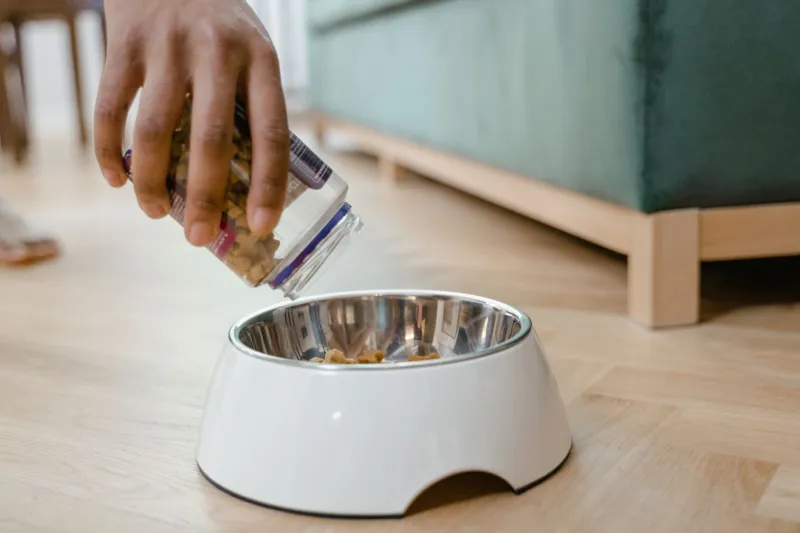
You spend time reading ingredient lists on kibble bags. You schedule vet checkups. You childproof your cleaning cabinet. But when was the last time you thought seriously about what your dog or cat is actually drinking?
For most pet owners, water is an afterthought. You fill the bowl, they drink, done. The problem is that tap water — even in cities with solid public health infrastructure — can carry contaminants that are especially rough on animals. Pets are smaller than us, they drink relative to their body weight more frequently, and they have no way of telling you something tastes off.
Let's dig into what's really in that bowl, and more importantly, what you can do about it.
The Contaminants Hiding in Plain Sight
Tap water in the US is regulated by the EPA under the Safe Drinking Water Act, which sets legal limits for dozens of contaminants. But "legal" doesn't always mean "safe for your 12-pound Shih Tzu."
Lead is one of the most serious concerns, particularly in homes built before 1986, when lead pipes and lead solder were still standard in residential plumbing. The EPA says there's no safe level of lead exposure — and that applies to your pets too. Lead accumulates in the body over time and can cause kidney damage, neurological problems, and in severe cases, seizures. Cats and small dogs are especially vulnerable because even low-level chronic exposure can tip into toxicity faster than it would in a larger animal.
Chlorine and chloramine are added to municipal water to kill pathogens, which is great for preventing disease outbreaks. But at the levels some municipalities use, these chemicals can irritate the gastrointestinal tract in sensitive pets. Some veterinarians have noted connections between chlorinated water and recurring digestive upset in dogs, though research in this area is still developing.
Bacteria and parasites are a bigger issue than most people realize, especially if you have well water. Giardia, Cryptosporidium, and coliform bacteria can all survive in untreated or poorly maintained water supplies. Giardia in particular is a common culprit behind chronic diarrhea in dogs — and it can pass from pets to humans, making it a household health issue, not just a pet one.
Nitrates, often linked to agricultural runoff, are a concern in rural areas and can cause oxygen deprivation in the blood. Fluoride, while generally considered safe at regulated levels, has been a topic of debate among holistic veterinarians who believe long-term exposure may contribute to bone and thyroid issues in some breeds.
How to Actually Test Your Water
Here's where a lot of articles stop at "contact your local water utility" — which, sure, is a starting point. Your municipality is required to publish an annual Consumer Confidence Report (CCR), and you can usually find it on their website or request a copy. This gives you a baseline for what's been detected in the water supply.
But there's a catch: the CCR reflects water quality at the treatment plant, not at your tap. By the time water travels through aging municipal lines and your home's own plumbing, the picture can look very different.
For a more accurate read, consider a home water test kit. Options like the Safe Home Premium Water Quality Test Kit or Tap Score's home testing service let you test for a wide range of contaminants — some kits cover 200+ parameters. Prices range from around $20 for basic strips to $150–$200 for comprehensive lab-analyzed reports. If you're in an older home or have a private well, the more thorough option is worth it.
If you want professional guidance, the National Testing Laboratories (ntllabs.com) and SimpleLab (simplelabwater.com) both offer mail-in testing with detailed results and plain-language explanations. Your vet can also help you interpret results in the context of your specific pet's health.
Filtration Solutions That Won't Break the Bank
Once you know what you're dealing with, you can choose a filtration approach that actually targets your problem — rather than just buying the most expensive filter on Amazon and hoping for the best.
Pitcher filters like Brita or PUR are the most accessible starting point. They're affordable (usually $20–$40 for the pitcher, plus filter replacements) and do a decent job removing chlorine, some heavy metals, and sediment. They won't remove everything — particularly nitrates or certain bacteria — but for households in cities with generally good water quality, they're a reasonable first step.
Faucet-mounted filters offer a step up in convenience and often provide better filtration than pitchers. Brands like Waterdrop and Pur make models that attach directly to your kitchen faucet and can filter out chlorine, lead, and other common contaminants in real time.
Under-sink reverse osmosis (RO) systems are the heavy hitters. These systems force water through a semi-permeable membrane that removes up to 99% of most contaminants, including lead, nitrates, fluoride, bacteria, and more. The upfront cost is higher — typically $150–$400 for a quality unit — but the per-gallon cost is extremely low, and you're getting genuinely clean water for the whole household, pets included. Brands like APEC, iSpring, and Waterdrop all have solid reputations.
Whole-house filtration is the most comprehensive option and makes sense if your water tests show widespread issues. These systems treat all water entering your home, which means every tap, every shower, every bowl your pet drinks from is covered. Costs vary widely, from a few hundred dollars for basic sediment/carbon systems to several thousand for full treatment setups.
One thing worth noting: if you go the RO route, the filtered water will be very low in minerals. Some veterinarians suggest adding a small pinch of pet-safe electrolyte supplement to your pet's water occasionally, particularly for cats who are prone to urinary issues and benefit from trace minerals. Chat with your vet before making that call.
Don't Forget the Bowl Itself
Even perfectly clean water can become contaminated if it's sitting in a dirty or porous bowl. Plastic bowls, in particular, develop micro-scratches over time that harbor bacteria — and some plastics can leach BPA or other chemicals, especially when scratched or exposed to sunlight.
Stainless steel and ceramic bowls are much better choices. Whatever material you use, bowls should be washed with soap and hot water daily, not just rinsed. Pet water fountains — popular for encouraging cats to drink more — need regular deep cleaning too, since the pump and reservoir can become breeding grounds for slime and bacteria if neglected.
The Bottom Line
Your pet can't read a water quality report or tell you their stomach hurts. That responsibility falls on you — and the good news is that it's genuinely manageable. Start with your municipality's CCR, grab a home test kit if you're in an older home or on well water, and match your filtration solution to what you actually find. You don't need to spend thousands of dollars or overhaul your plumbing to give your dog or cat cleaner, safer water.
Small changes to what goes in the bowl can make a real difference in what shows up at the vet's office. And that's what PawSafe is all about.