What's Really Living in Your Pet's Food Bag (And Why It Matters More Than You Think)
You buy the good stuff. Maybe you spend real money on a premium kibble with responsibly sourced proteins and zero artificial preservatives. You feel good about that choice. But here's the part nobody tells you: the moment you open that bag, a slow countdown begins — and how you store that food determines whether your pet is eating a nutritious meal or a bowl full of trouble.
Pet food storage is one of those topics that falls through the cracks. Vets focus on nutrition labels and feeding amounts. Pet food brands focus on ingredients. And pet owners, reasonably, assume that if the food smells okay, it probably is okay. Unfortunately, that assumption doesn't hold up.
The Invisible Problem: Mycotoxins and Mold in Dry Kibble
Here's something that might make you look at the food bin in your garage differently: mold doesn't always look or smell like mold. Mycotoxins — the toxic compounds produced by certain mold species — can be present in kibble long before you notice any visible fuzz or off smell. Aflatoxins, one of the most well-studied mycotoxins, have been responsible for multiple large-scale pet food recalls in the United States over the past decade. They form when kibble is exposed to heat and humidity, and they're genuinely dangerous, with links to liver damage and immune suppression in dogs and cats.
The problem is that most American households store pet food in exactly the conditions that invite mold growth: garages, laundry rooms, or pantry corners where temperatures fluctuate and humidity can creep up. A bag of kibble left partially open in a warm garage during a July heat wave is essentially a petri dish with a cute dog on the label.
Bacteria Don't Take Days Off Either
Mycotoxins aren't the only concern. Dry pet food can also harbor bacterial contamination — including Salmonella — particularly when moisture gets introduced. This can happen when you scoop with a damp hand, store kibble in a container that wasn't fully dried after washing, or simply leave food sitting in a bowl that gets licked and left out for hours.
The FDA has documented multiple Salmonella-related pet food recalls over the years, and the agency's guidance is clear: contaminated food is a risk not just to your pet but to the humans in your household, especially kids and immunocompromised individuals who handle the food or pet their animals afterward.
Pantry Pests: The Uninvited Dinner Guests
Even if your storage is reasonably cool and dry, there's another issue lurking: insects. Pantry moths, grain weevils, and mites are all capable of infesting pet food, especially when it's stored in the original bag, which offers very little actual protection. These pests lay eggs in grain-based foods, and by the time you see the evidence — tiny webbing, small beetles, or a powdery residue at the bottom of the bag — the infestation is already well established.
Beyond the gross factor, a pest-infested food supply can cause gastrointestinal upset in pets, and some mites have been associated with allergic reactions in both animals and humans.
The "Pour It in the Bin" Mistake
One of the most common storage habits — and one of the most problematic — is dumping new kibble directly on top of old kibble in a large container. It feels efficient. It's actually a contamination relay race.
Old food residue, including rancid fats and trace moisture, sits at the bottom of the container and immediately begins degrading the fresh food poured on top. The container itself, if not washed and fully dried between fills, can harbor bacteria and mold spores that colonize the new batch almost immediately.
The right approach: use up or discard the old food first, wash the container with hot soapy water, let it dry completely (and we mean completely — air dry overnight if needed), and only then add fresh food.
What Actually Works for Safe Storage
So what should you be doing? Here's a practical breakdown:
Keep it in the original bag — inside a container. The original packaging has an oxygen barrier built in. The best practice is to fold and clip the bag closed and place the whole thing inside an airtight container. This gives you the benefit of both the bag's barrier and the container's seal.
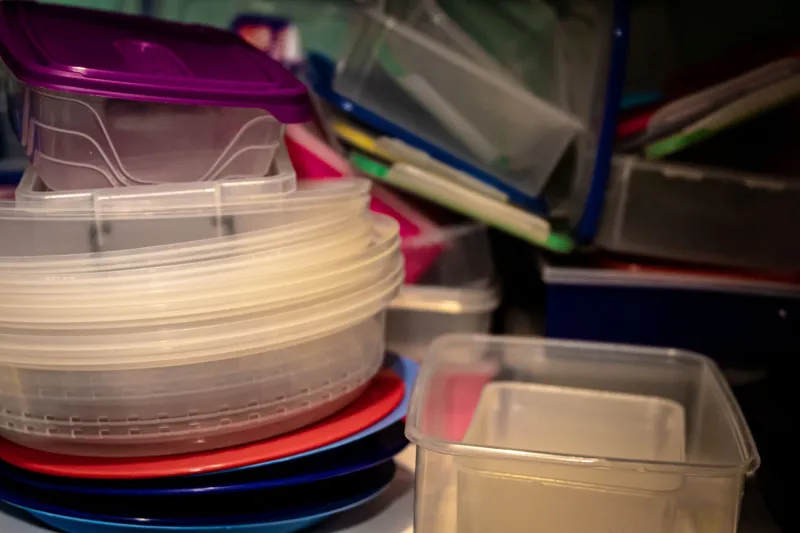
Choose containers with genuine airtight seals. Not all "airtight" containers are created equal. Look for options with rubber gasket seals and locking lids. Gamma Seal lids on food-grade buckets are a popular choice among pet owners storing larger quantities. For everyday use, containers from brands like Vittles Vault or IRIS Airtight have solid reputations for actually maintaining a seal over time.
Size matters — don't overbuy. Try to purchase bag sizes you'll go through within 4–6 weeks. The longer kibble sits, even in good conditions, the more the fats oxidize and the nutritional quality degrades. Buying in bulk to save money can cost you in food quality and potentially in vet bills.
Location, location, location. Store food in a cool, dry indoor space — ideally somewhere that stays below 80°F. That garage in Phoenix in August is not it. A kitchen pantry or a climate-controlled utility room is a much better bet.
Don't forget treats. Dental chews, jerky treats, and soft snacks are often stored even more casually than kibble, but they're just as vulnerable to moisture and contamination. Resealable treat bags should actually be resealed — and better yet, transferred to a small airtight container after opening.
When to Toss It
When in doubt, throw it out. If kibble smells off, looks discolored, has any visible moisture clumping, or has been stored past the "best by" date, don't try to use it up. The few dollars you save aren't worth a vet visit — or worse.
If you notice your pet suddenly refusing food they normally love, experiencing vomiting, diarrhea, or lethargy after eating, storage contamination should be on your list of things to investigate. Talk to your vet and, if possible, save a sample of the food in a sealed bag for testing.
The Bottom Line
Pet food safety doesn't end at the store shelf or even at the ingredient list. It extends into your home, your pantry, and your storage habits. A little attention to how and where you store your pet's food can make a meaningful difference in what they're actually consuming — and in keeping those vet bills where they belong: as infrequent as possible.