A Month-by-Month Guide to Pet Poison Risks: What's Dangerous Right Now
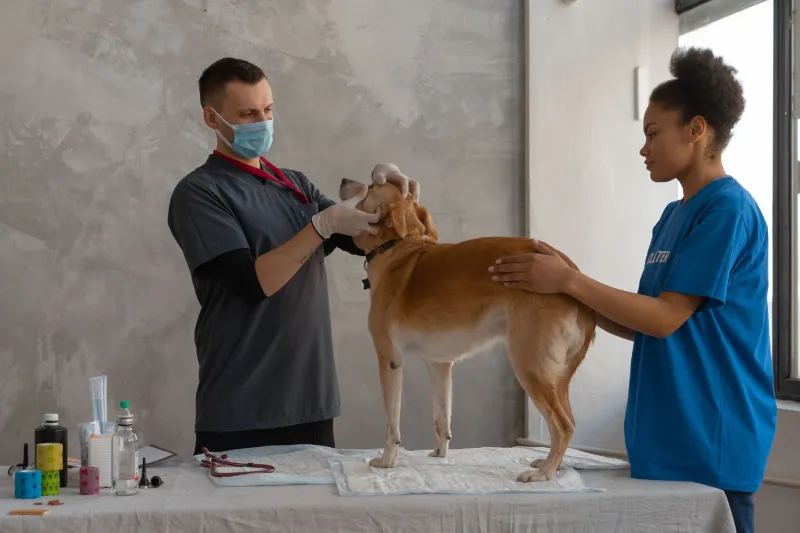
The ASPCA Animal Poison Control Center fields hundreds of thousands of calls every year from pet owners in the United States, and here's something the data makes very clear: those calls are not evenly distributed across the calendar. Poisoning emergencies spike during predictable windows — around holidays, at the start of gardening season, during summer barbecues, and at the onset of cold weather. Knowing when the risks are highest gives you a real advantage.
This guide is designed to be a living reference. Come back to it at the start of each season, run through the relevant checklist, and adjust your home accordingly. Your future self — and your pet — will thank you.
January & February: Winter Hazards Indoors and Out
The post-holiday season doesn't mean the danger is over. January and February bring their own set of risks, many of them related to winter conditions and the lingering presence of holiday items.
Antifreeze (ethylene glycol) is one of the most acutely dangerous pet toxins in existence, and it's most commonly encountered in winter. It has a sweet taste that attracts dogs and cats, and even a small amount can cause fatal kidney failure. Check your garage floor and driveway for puddles. Store antifreeze in sealed, inaccessible containers. Consider switching to propylene glycol-based antifreeze, which is significantly less toxic.
Ice melt and road salt can cause paw irritation and gastrointestinal upset when licked off paws after walks. Wipe your dog's paws after every outdoor excursion and look for pet-safe ice melt products (those containing urea or propylene glycol rather than sodium chloride or calcium chloride).
Holiday plant stragglers — poinsettias, holly, and mistletoe — may still be around the house. Poinsettias cause GI irritation; holly and mistletoe can cause more serious symptoms including heart arrhythmias in severe cases. Get these out of the house.
Emergency signs to watch for: Vomiting, lethargy, loss of appetite, excessive drooling, uncoordinated movement.
March & April: Spring Cleaning and Garden Season
Spring is one of the highest-risk periods of the year for pet poisoning, and the ASPCA's call volume reflects it. Two categories drive most of the emergencies: gardening products and spring plants.
Fertilizers often contain iron, nitrogen, and sometimes pesticides or herbicides. Ingestion can cause GI upset at minimum and, with some formulations, more serious toxicity. Keep pets off treated lawns for the window specified on the product label — and be honest about following that timeline.
Mulch, particularly cocoa mulch, contains theobromine — the same compound that makes chocolate dangerous to dogs. It smells appealing and can cause chocolate-like toxicity symptoms. Avoid it in yards where dogs have unsupervised access.
Lilies are a critical spring hazard for cats. Easter lilies, tiger lilies, and daylilies are among the most acutely toxic plants for cats — even small ingestions can cause rapid kidney failure. If you receive Easter flowers, check every stem before bringing them into a home with cats. This is not an overstatement: lily toxicity in cats is a genuine emergency.
Rodenticides come out in spring as homeowners deal with mice and other pests. Rat poison — particularly anticoagulant rodenticides — is extremely dangerous to pets and children. If you use these products, use tamper-resistant bait stations and keep them completely inaccessible to pets. Be aware that secondary poisoning (a pet eating a poisoned rodent) is also possible.
Spring cleaning products — bleach, drain cleaners, oven cleaners — are caustic and dangerous. Store them locked away and keep pets out of areas being cleaned until surfaces are dry and ventilated.
Emergency signs to watch for: Vomiting, diarrhea, pale or yellow gums, bruising, bleeding from the nose or gums (rodenticide), drooling, pawing at the mouth, seizures.
May & June: Outdoor Season Kicks Off
Late spring brings outdoor entertaining, yard work, and increased time outside — all of which introduce new hazard categories.
Insecticides and bug sprays spike in use. DEET-based repellents are toxic to pets — never apply them directly to animals and be cautious about skin contact after application. Permethrin, commonly found in yard sprays and some flea treatments, is extremely toxic to cats even in small amounts. Never use permethrin products on cats, and keep cats away from treated areas.
Mushrooms begin appearing in yards after spring rains. The vast majority of mushrooms are harmless, but a small percentage are highly toxic and can be difficult to distinguish from safe varieties. If you see your dog eating wild mushrooms, treat it as a potential emergency and contact poison control.
Compost bins are surprisingly dangerous — decomposing organic matter can contain mold toxins (including tremorgenic mycotoxins) that cause severe neurological symptoms in dogs. Keep compost bins securely covered and inaccessible.
Emergency signs to watch for: Tremors, seizures, excessive salivation, muscle rigidity, vomiting.
July & August: Summer Gatherings and Heat-Season Hazards
Summer entertaining puts a lot of human foods and beverages within reach of curious pets.
Grapes and raisins — found in fruit salads, trail mix, and baked goods — are toxic to dogs and can cause acute kidney failure. The exact toxic mechanism isn't fully understood, which means there's no established "safe" amount. Treat any grape or raisin ingestion as an emergency.
Xylitol (now often labeled as "birch sugar") is found in sugar-free gum, some peanut butters, baked goods, and increasingly in protein products. It causes a rapid drop in blood sugar in dogs and can cause liver failure. Check labels on any nut butter you give your dog.
Alcoholic beverages left unattended at cookouts are accessible to dogs. Alcohol toxicity in pets is more serious than many owners realize — it can cause dangerous drops in blood sugar and body temperature.
Sunscreen and insect repellent applied to humans and then touched by pets can cause issues, particularly if pets lick treated skin. Zinc oxide in sunscreen is particularly toxic to dogs.
Emergency signs to watch for: Weakness, vomiting, disorientation, pale gums, seizures.
September & October: Back to School and Fall Hazards
Fall brings a new set of seasonal risks, with Halloween being a significant spike period.
Chocolate is the most-reported Halloween toxin, but the severity depends on the type. Dark chocolate and baking chocolate are far more dangerous than milk chocolate by weight. Keep all Halloween candy in sealed containers, off counters, and out of trick-or-treat bags left on the floor.
Xylitol-containing sugar-free candies are increasingly common in Halloween candy mixes. These are more dangerous than chocolate for dogs.
Glow sticks and jewelry — a Halloween staple — contain a bitter-tasting liquid (dibutyl phthalate) that causes intense drooling and agitation in cats who bite into them. Not typically life-threatening, but distressing.
Fall mushrooms and acorns (toxic to dogs in large quantities, causing kidney damage) become more prevalent as leaves fall.
Emergency signs to watch for: Hyperactivity followed by depression, vomiting, muscle tremors, rapid breathing (chocolate toxicity).
November & December: Holiday Season Rush
The holiday season is consistently one of the busiest periods for poison control calls involving pets, and the hazards are everywhere.
Holiday plants: Poinsettias (GI irritant), holly (GI and cardiac), mistletoe (GI and cardiac), and amaryllis (vomiting, tremors) all come into the home in December. Know what you're bringing in.
Holiday foods: Onions, garlic, macadamia nuts, grapes (in fruitcake), raisins, chocolate, and alcohol-containing dishes are all common at holiday gatherings and all dangerous to pets.
Christmas tree water can contain fertilizers and bacteria and should be covered or blocked from access.
Batteries in new toys and devices contain corrosive materials — keep them out of reach and dispose of used batteries immediately.
Emergency signs to watch for: Vomiting, lethargy, pale gums, muscle weakness, seizures.
When to Call Poison Control
If you suspect your pet has ingested a toxin, don't wait for symptoms to appear. Contact:
- ASPCA Animal Poison Control Center: (888) 426-4435 (fee may apply)
- Pet Poison Helpline: (855) 764-7661 (fee may apply)
- Your veterinarian or nearest emergency animal hospital
Have the product name, estimated amount ingested, and your pet's weight ready when you call. Time matters — the faster you act, the better the outcome.